
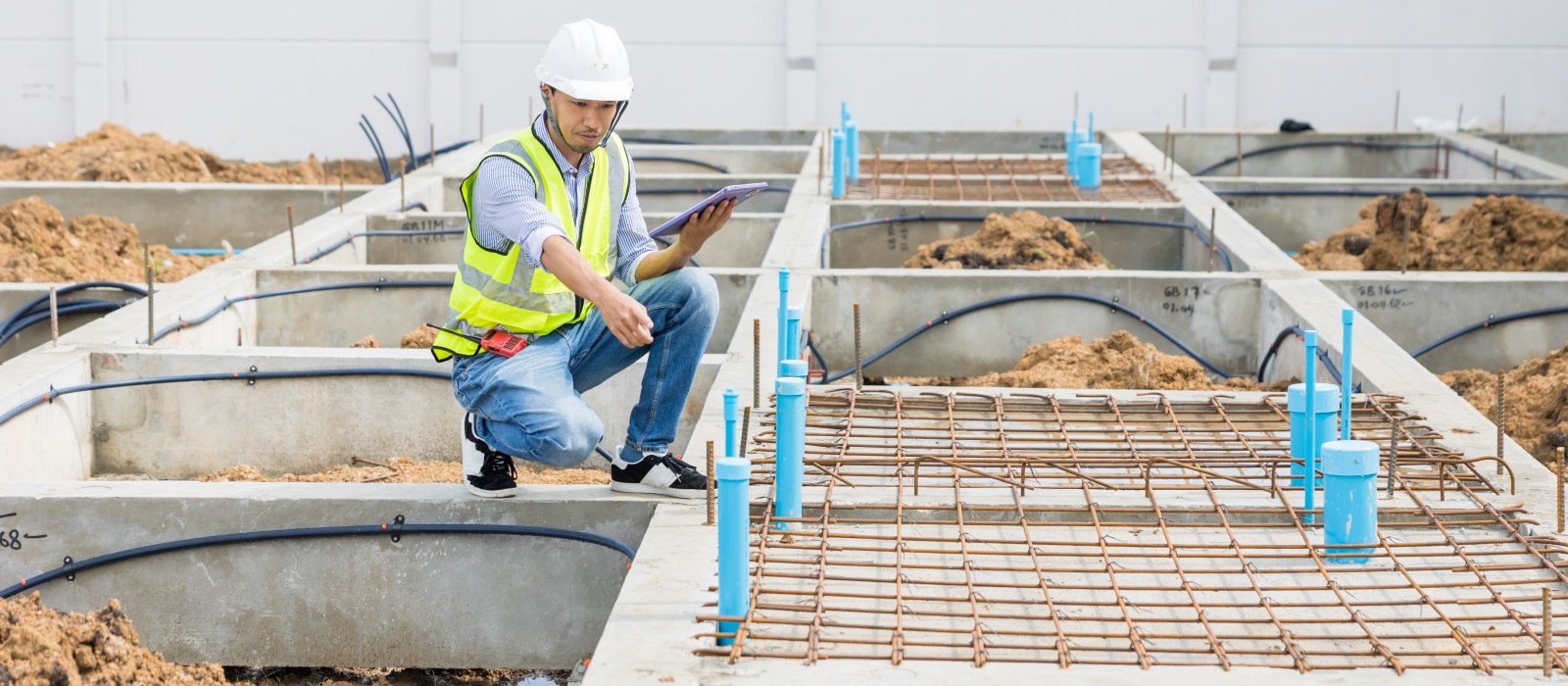
The Essential Guide to Strong and Durable Concrete Structures
When buying or building a house – foundations are the most important step. Durable Concrete Structures are valued for its strength, versatility, and longevity. But those qualities only hold true when the structure is properly designed and reinforced. Without support, even the best concrete mix can fail under tension, pressure, or shifting loads. It results in cracks, settlement, and structural damage that can be costly to fix later.
These issues are preventable through the use of effective reinforcement techniques, such as the application of concrete reinforcing mesh. You can significantly enhance the performance and life of concrete structures.
This guide provides an overview of the essentials for creating strong, long-lasting concrete structures, focusing on reinforcement methods and the critical role of concrete reinforcing mesh in achieving durable results.
Understanding Concrete Reinforcement – Concrete is incredibly strong in compression but weak in tension. When subjected to bending, stretching, or uneven loads, it tends to crack. This is where reinforcement comes in; it compensates for concrete’s natural limitations by providing tensile strength and structural stability.
There are several common reinforcement options:
- Rebar (reinforcing bars): Steel rods placed within concrete to handle tension and load.
- Mesh (welded wire fabric): A grid of steel wires that distributes stress evenly throughout the slab.
- Fibres: Tiny synthetic or steel fibers mixed into concrete to control micro-cracks.
Each method has its place, but for many residential, commercial, and industrial applications, concrete reinforcing mesh offers a practical balance of strength, efficiency, and cost-effectiveness.
Spotlight on Concrete Reinforcing Mesh
Concrete reinforcing mesh is a pre-fabricated steel grid used to strengthen slabs, pavements, and other concrete elements. Unlike rebar, which must be measured, cut, and tied into place, mesh comes ready to install, saving time and reducing labour costs.
Its main advantage lies in its ability to distribute loads evenly. When stress or movement occurs, the mesh absorbs and spreads the pressure across the concrete surface, minimising the risk of cracking. It also helps maintain slab integrity over time, even in changing temperatures or under heavy use.
Professionals choose concrete reinforcing mesh for its:
- Uniform strength distribution: Prevents weak points and ensures consistency across large areas.
- Ease of installation: Quick to lay and secure, ideal for large or repetitive projects.
- Cost efficiency: Reduces waste and saves labour compared to individual rebar placement.
Mesh reinforcement is a reliable, ready-to-use solution for achieving long-lasting durability.
Choosing the Right Mesh for Your Project
Selecting the correct type of mesh is essential. The decision depends on a few key factors:
- Slab thickness: Thicker slabs need stronger, larger-gauge mesh.
- Load requirements: Areas exposed to heavy vehicles or machinery require denser mesh with tighter spacing.
- Spacing and size: The grid spacing of 100x100mm or 150x150mm should suit the project’s structural needs.
- Environmental conditions: Outdoor or coastal projects may benefit from galvanised mesh for rust resistance.
Concrete reinforcing mesh comes in various grades and configurations. Comparing options based on your design load and site conditions ensures that you’re not over- or under-reinforcing your structure.
Best Practices for Installation
Even the best reinforcement material won’t perform if installed incorrectly. A few simple practices can make all the difference:
- Prepare the surface: Level and compact the ground or formwork before laying the mesh.
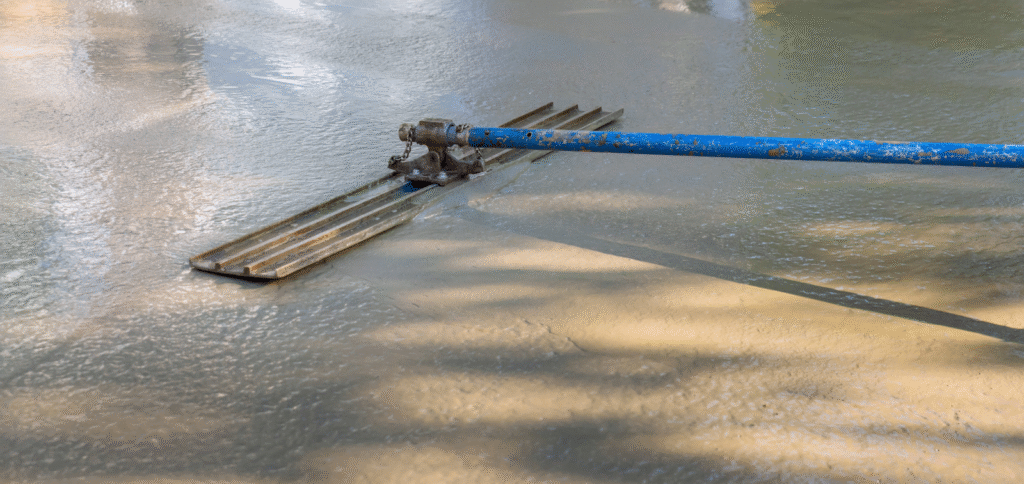
- Position the mesh properly: The mesh should sit near the middle or slightly above the centre of the slab, not at the bottom. Small supports or “chairs” can help keep it elevated during pouring.
- Secure the mesh: Overlap adjacent sheets properly and tie them together to maintain alignment.
- Pour and cure correctly: Ensure concrete covers the mesh, then allow adequate curing time to prevent premature cracking.
Proper placement ensures that the mesh works as intended, absorbing tension, reinforcing the structure, and enhancing durability.
Common Mistakes to Avoid
A few common errors can undermine the effectiveness of reinforcement:
- Incorrect mesh placement: If the mesh lies too low, it won’t engage with the upper section of the concrete where cracks start.
- Using the wrong mesh size or grade: Underestimating the load requirements can lead to weak points and structural issues.
- Poor concrete mixing or coverage: Incomplete coverage exposes the mesh to moisture and corrosion over time.
Avoiding these mistakes not only saves future repair costs but also ensures your structure performs as designed for the coming year
Concrete is the most trusted material in construction, but its strength depends on proper reinforcement. Using concrete reinforcing mesh provides a simple, efficient way to create structures that resist cracking, handle stress, and maintain integrity over time.
Investing in quality reinforcement isn’t only a technical choice; it’s a smart one. It’s worth the investment.
Durable Concrete Structures
What makes Durable Concrete Structures long lasting?
They use strong mixes, steel support, and correct curing. This keeps cracks low and holds weight over many years in daily use.
How do you keep Durable Concrete Structures in good shape?
Keep surfaces sealed, fix small cracks early, and clear drainage so water does not sit and cause wear.
Can Durable Concrete Structures handle heavy loads?
Yes, when planned and built with correct support, they can hold large weight from cars, machines, or building pressure.