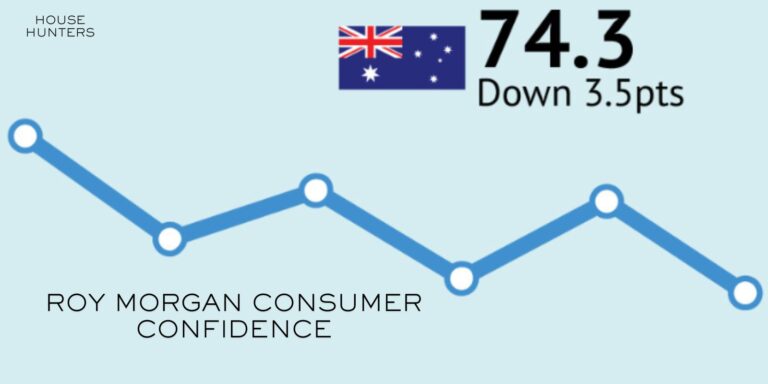

How RBA Rate Hikes Are Affecting Australian Households Right Now
How Rising Interest Rates Affect Australian Families in 2026: Real Impacts Explained
Rising interest rates have become one of the most significant financial pressures facing Australian families in recent years. As the Reserve Bank adjusts rates to control inflation, the effects ripple directly into household budgets, mortgage repayments, and overall financial stability. Unlike many global markets, Australia’s heavy reliance on variable-rate home loans means families feel these changes almost immediately, making interest rate movements far more impactful on day-to-day living.
In 2026, understanding how interest rates influence your finances is essential—not just for homeowners, but also for buyers, investors, and renters. From rising mortgage stress to shifting property market dynamics, the impact goes far beyond loan repayments. Let’s break down what’s really happening and what it means for Australian households.
Why Interest Rate Rises Hit Australian Families Harder
Australian families face a particularly harsh impact from rising interest rates compared to those in other countries. WHY? This is mainly due to the widespread use of variable-rate home loans in Australia.
In Australia, any increase in official interest rates is quickly felt by households due to the prevalence of variable-rate loans. While only 15 % of Australian home loans are fixed-rate, the global average stands at 60 %, and it is nearly 100 % in the United States and Mexico. In these countries, borrowers only feel the effects of rate changes when they move properties, whereas in Australia, the impact is immediate.
This structural difference makes interest rates a powerful economic lever. According to interest rate insights from CommBank, rate changes directly influence borrowing costs, spending behavior, and overall economic activity, which explains why households feel the pressure so quickly.

Immediate Consequences of Rising Interest Rates
The most immediate effect of rising interest rates is higher mortgage repayments. For many Australian households, even a small rate increase can translate into hundreds or thousands of dollars in additional monthly costs. This reduces disposable income and forces families to adjust their spending habits.
For example, borrowers who secured loans during low-rate periods are now facing significantly higher repayments. This shift often happens without warning, making budgeting more challenging and increasing financial stress levels across households.
Increasing Mortgage Arrears With Rising Interest Rates
The immediate impact of rate hikes is evident in the rising mortgage arrears. CoreLogic research shows that mortgage arrears have increased from 1 % in September 2022 to 1.6 % in the most recent March quarter. Though this remains relatively low, it signifies a 60 % increase over 18 months.
This trend highlights the growing pressure on borrowers, particularly those who stretched their budgets during lower interest rate periods. As repayments increase, even financially stable households can begin to feel strain.
Growth in Non-Performing Loans
The rise in arrears is mainly due to non-performing loans, which have increased to 0.93%. These are loans that are at least 90 days overdue or loans where the lender expects not to recover the full amount. This rate now exceeds the level at the onset of COVID-19 (0.92 %) and is above the historical average of 0.86 %.
While still relatively controlled, this increase signals a shift in financial stability across Australian households and is closely monitored by financial institutions and regulators.
What Contributes to Higher Arrears
Several factors contribute to the rise in mortgage arrears, including the sharp increase in the cost of borrowing. The average variable interest rate on owner-occupier home loans rose from 2.86 % in April 2022 to 6.39 % in March 2024. For a borrower with $750,000 in debt, this translates to an additional $1,600 per month in loan repayments. Additional insights from interest rate impact analysis reinforce how quickly repayment burdens can escalate, especially when combined with rising living costs.
Economic Strain on Households
In addition to higher interest rates, other economic pressures are affecting households. Rising living costs are taking a larger share of household income, taxes are at unprecedented levels, and the savings built up during the pandemic are being depleted.
High levels of household debt, particularly in housing, make families more vulnerable to interest rate fluctuations. Insights from interest rate changes and mortgage traps explain how borrowers can become financially stretched when multiple pressures hit simultaneously.
Asset-Rich but Cash-Poor Households
Australian households often find themselves asset-rich but cash-poor. While property values may increase over time, this does not immediately improve cash flow. Many homeowners still struggle to meet higher repayment obligations despite holding valuable assets.
In these situations, some households may choose to sell their property to relieve financial pressure. This dynamic can also influence market supply, particularly in periods of sustained rate increases.
Diminishing Risk of Negative Equity
According to the Reserve Bank of Australia, only about 1 % of residential properties have debt levels exceeding the value of the home. As property values continue to rise, the risk of negative equity remains relatively low.
However, this does not eliminate financial stress. Even if homeowners retain equity, the challenge lies in managing cash flow and meeting ongoing repayment obligations.
How Rising Interest Rates Affect the Property Market
Interest rate changes also influence buyer behaviour and overall market activity. Higher borrowing costs reduce purchasing power, leading to fewer active buyers and, in some cases, slower price growth.
Recent insights from Sydney buyer’s market conditions and RBA rate updates show how rising rates can shift the market balance, creating opportunities for buyers while increasing pressure on sellers.
Navigating Interest Rate Pressure in 2026
For Australian families, rising interest rates are not just a short-term challenge—they require long-term financial adjustment. Budgeting, refinancing strategies, and understanding market conditions are becoming essential skills for maintaining financial stability.
By staying informed and proactive, households can better manage these changes and make more confident financial decisions. While interest rate cycles are inevitable, how you respond to them ultimately determines your financial resilience.
Frequently Asked Questions
Why do rising interest rates affect Australians so quickly?
Because most Australian home loans are variable-rate, changes in interest rates are passed on to borrowers almost immediately, increasing repayments.
How much can mortgage repayments increase?
Depending on loan size, repayments can increase by hundreds or even thousands of dollars per month as interest rates rise.
Do rising interest rates affect renters?
Yes, landlords may pass on higher mortgage costs through increased rent, affecting tenants as well.
Are rising interest rates bad for property prices?
They can slow price growth by reducing borrowing capacity, but market impact varies based on demand and supply.
What can families do to manage rising interest rates?
Review budgets, consider refinancing, reduce discretionary spending, and seek financial advice if needed.