
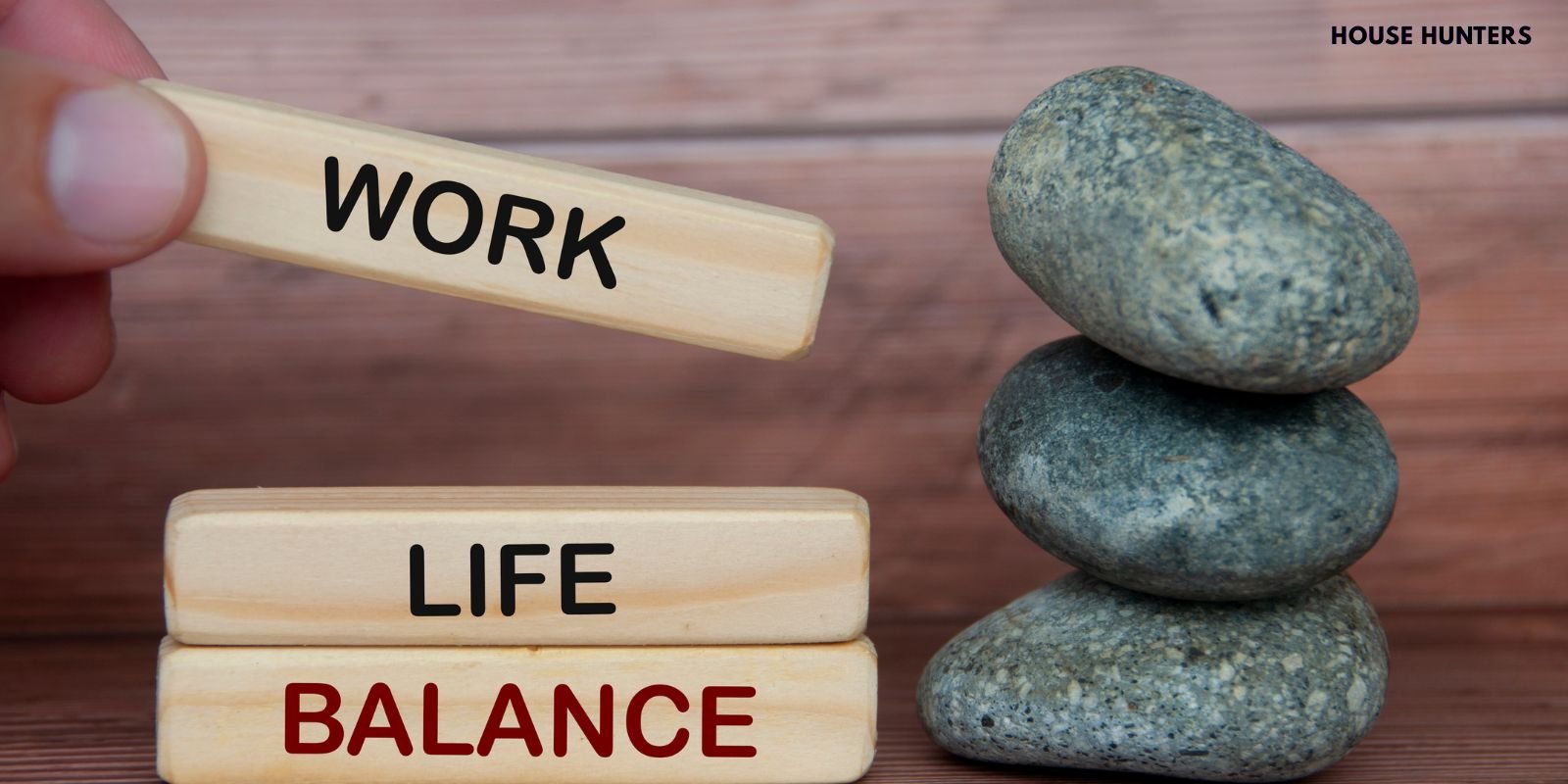
Striving for a better work life balance: Australia’s History
Work Life Balance in Australia: History, Evolution & Modern Trends
Work life balance in Australia has evolved from a hard-fought workers’ rights movement into a defining feature of modern living. In 2026, it is no longer just about working fewer hours—it’s about flexibility, wellbeing, and designing a lifestyle that supports both career and personal priorities. From the early 8-hour workday movement to today’s remote work culture, Australia has consistently been at the forefront of redefining how people live and work.
Understanding this evolution offers more than historical insight. It helps explain why Australians value flexibility, long weekends, and lifestyle-focused decisions—including where and how they live. For homeowners and buyers alike, work life balance now directly influences property choices, location preferences, and long-term planning.
Why Work Life Balance Still Matters in 2026
In today’s fast-paced world, maintaining a balance between professional responsibilities and personal wellbeing is more important than ever. Flexible work arrangements, remote opportunities, and mental health awareness have reshaped expectations. According to modern work-life balance research, employees who achieve balance are more productive, healthier, and more engaged in their work.
This shift has also influenced lifestyle decisions, including where people choose to live. Many buyers now priorities proximity to nature, reduced commute times, and home environments that support both work and relaxation. These considerations are increasingly reflected in property trends, such as those discussed in Sydney real estate trends.

Striving for a Better Work Life Balance
We all seek a better work life balance. Australians are fortunate enough to enjoy a variety of long weekends throughout the year, including Labour Day. This day celebrates the rights earned by Australian workers, observed with enthusiasm nationwide.
But how did we get here? Let’s take a look at the history of Labour Day in Australia and how it has evolved over time.
The 8-hour work movement in New Zealand
Labour Day originated in New Zealand in 1840 when Samuel Parnell campaigned for an 8-hour workday. The movement expanded to Australia, reducing working hours to 8 hours daily, 48 hours weekly. Only Sunday was the day of rest.
Why is Labour Day on different days around Australia?
Different states in Australia celebrate Labour Day on different dates due to staggered law introductions. In New South Wales, ACT, and South Australia, they commemorate labor law changes every first Monday of October. Northern Territory and Queensland celebrate Labour Day every first Monday of May; Tasmania and Victoria on the second Monday of March.
When did Australia get the 2-day weekend?
In 1956, after trade unions campaigned for better work-life balance, Australia adopted the first 2-day weekend. This major victory for workers’ rights allowed more family time and hobbies without fear of reprimand or job loss.
Australia Better Work Life Balance
What does today’s work life balance look like?
Today’s world emphasizes balancing professional and personal lives. Many employers now offer flexible options like remote working or part-time contracts, easing schedule management while ensuring success.
Many companies now offer paternity/maternity leave or longer unpaid leave, allowing employees to take time off without financial worries or job loss fears.
What is work life Balance flexibility?
Work-life flexibility lets employees adjust daily tasks to fit personal needs without negative consequences like pay loss. It includes options like flexitime, job sharing, or compressed hours, allowing full-time work over fewer days. Employers who embrace flexibility gain happier employees who are more productive overall due to improved morale.
Remote working post the pandemic
Due to COVID-19, many employers embraced remote working, letting staff work from home instead of commuting daily. Remote working has become increasingly popular over recent years anyway, but this has been accelerated significantly—meaning more people can now access employment opportunities regardless of location.
What do Australians do to celebrate long weekends?
We love to celebrate our long weekends with all sorts of activities depending on our personal preferences, budget and location within the country. Popular pastimes include attending festivals or concerts, going camping or fishing, visiting national parks, or simply relaxing at home with family and friends.
Our work life balance, then and now
The history highlights just how far Australian workers have come. Today, flexible working options are becoming increasingly popular and accepted amongst employers and employees alike. It’s worth taking time to reflect upon our past successes but also look ahead towards future changes which will benefit all Australians.
How Work Life Balance Impacts Property Decisions
Work life balance is no longer just a workplace concept—it directly affects where and how people live. Many buyers are choosing homes that support hybrid work, offer dedicated office space, or provide access to lifestyle amenities. Avoiding poor decisions during this process is critical, as highlighted in common buyer mistakes, where lifestyle misalignment can lead to long-term dissatisfaction.
Additionally, the structural quality and durability of homes play a role in reducing maintenance stress and improving long-term living comfort. Insights from durable construction practices highlight how building quality contributes to overall lifestyle ease.
The Future of Work Life Balance in Australia
Looking ahead, work life balance in Australia will continue evolving alongside technology and societal expectations. Hybrid work models, flexible hours, and decentralised living will shape both employment and housing trends. As more people prioritise wellbeing, property choices will increasingly reflect lifestyle needs rather than just proximity to workplaces.
Improving balance is not just about reducing work hours—it’s about creating a sustainable way of living. Practical strategies, such as those outlined in work-life improvement techniques, reinforce the importance of intentional decision-making in both career and home life.

Designing a Lifestyle That Works for You
Work life balance is ultimately about alignment—between your time, your priorities, and your environment. Whether that means choosing a home closer to nature, creating flexible workspaces, or simply reducing daily stress, the goal remains the same: a better quality of life. Australia’s journey shows that progress is possible, and in 2026, individuals have more control than ever over how they design their lives.
FAQs
When did work life balance start in Australia?
It began with the 8-hour workday movement in the 1800s, leading to major labour reforms.
When did Australia adopt the two-day weekend?
Australia officially adopted the two-day weekend in 1956 after union campaigns.
What is work life balance flexibility?
It refers to flexible working arrangements like remote work, flexible hours, and job sharing.
How has remote work changed work life balance?
Remote work has reduced commuting time and increased flexibility, improving overall balance.
Why is work life balance important today?
It improves wellbeing, productivity, and long-term lifestyle satisfaction.