Sydney First-Home Buyer Guide 2026: How to Save on Stamp Duty
Sydney First-Home Buyer Guide 2026: What the NSW Stamp Duty Rules Really Mean
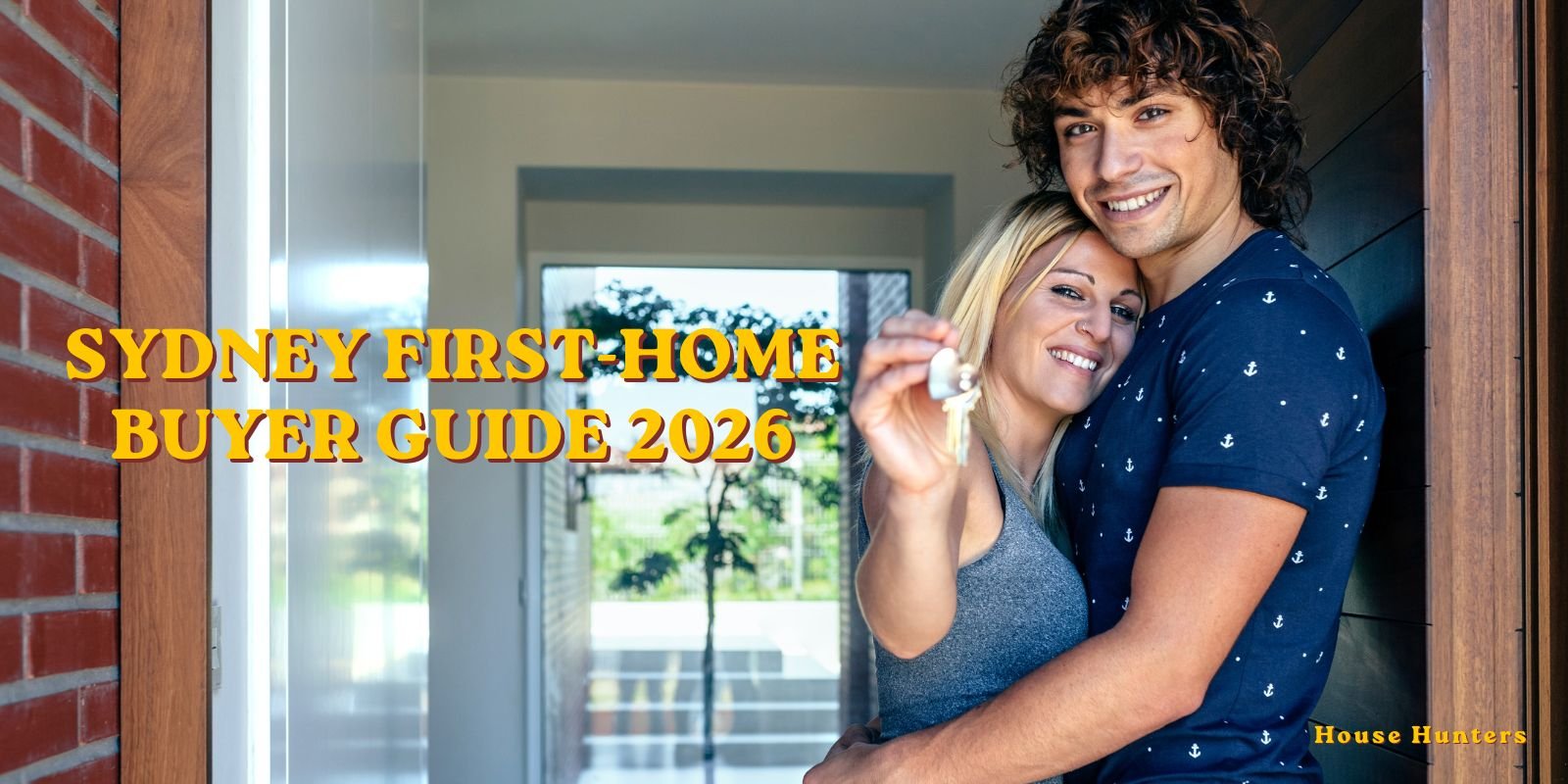
A Sydney first-home buyer guide 2026 must account for one of the most important—but often misunderstood—costs in the purchase process: stamp duty. Sydney First-Home Buyer Guide 2026 is not just about choosing the right property, but understanding how NSW stamp duty rules directly impact your upfront costs and financial position. With concessions available, many buyers assume automatic savings—but in reality, outcomes depend entirely on property price and eligibility thresholds.
As outlined in this saving guide, upfront costs are now a critical barrier to entry. Buyers who ignore stamp duty calculations often find themselves underprepared at settlement, particularly in Sydney where total acquisition costs are already high.
In NSW, a small change in purchase price can mean the difference between full stamp duty exemption and paying tens of thousands upfront.
The $10K–$20K Pricing Trap Most Buyers Miss
Stamp duty concessions in NSW operate within strict thresholds, and this creates a pricing trap many first-home buyers overlook. A property priced slightly above the concession limit can push buyers into partial or zero benefits, increasing upfront costs significantly without a meaningful improvement in property quality.
Insights from Intelliprop highlight that buyers frequently stretch beyond thresholds for marginal upgrades, only to lose substantial savings. In many cases, staying just below the threshold results in a stronger financial position than stretching higher.
Where Buyers Actually Save (and Where They Don’t)
| Price Position | Stamp Duty Outcome | Real Impact |
|---|---|---|
| Below threshold | Full exemption | Maximum savings retained |
| Slightly above | Partial concession | Reduced but still useful savings |
| Above cap | No concession | Full upfront cost applies |
This is where strategy becomes critical. Buyers are not just choosing properties—they are choosing financial outcomes based on how close they are to these thresholds.
Compared to other cities, as shown in this Sydney comparison, these upfront cost differences are more pronounced, making threshold awareness even more important.
Why Crossing the Threshold Changes Your Entire Budget
Stamp duty is not a minor cost—it directly affects how much capital buyers have available post-purchase. Crossing the threshold can mean allocating tens of thousands more upfront, reducing liquidity and limiting financial flexibility after settlement.
In real terms, buyers who lose concessions often reduce their deposit buffer or emergency funds to compensate. This increases financial pressure, particularly in a higher interest rate environment where repayment capacity is already stretched.

How Buyers Are Structuring Purchases in 2026
Buyers who understand these rules are adjusting their strategy accordingly. Instead of simply targeting properties based on preference, they are aligning budgets with concession thresholds to maximise savings and maintain stronger financial positions.
Guidance from this buyer strategy guide reinforces that structured purchasing decisions—rather than emotional ones—are leading to better long-term outcomes in the current market.
Real Buyer Decisions That Changed Outcomes
A buyer targeting a property just under the threshold secured full exemption and redirected those savings into their deposit. This reduced their loan size and improved their overall borrowing structure, creating immediate financial stability.
Another buyer stretched slightly above the threshold to secure a preferred property, losing all concessions. While the purchase met lifestyle goals, the additional upfront cost reduced their post-settlement buffer, increasing financial pressure.
The Mistake That Costs Buyers the Most
The most common mistake is focusing solely on purchase price without factoring in stamp duty implications. Buyers often exceed thresholds by small margins, unaware that this decision eliminates substantial financial benefits.
Another issue is assuming eligibility without verification. As reinforced in this first-home buyer guide, failing to confirm criteria can result in unexpected costs during the transaction process.

How to Use Stamp Duty as a Financial Advantage
Sydney First-Home Buyer Guide 2026 requires treating stamp duty as a strategic lever rather than a passive cost. Buyers who align their purchase price within thresholds are effectively increasing their usable capital without increasing their borrowing.
This approach strengthens both short-term affordability and long-term financial stability. In a market where every dollar impacts borrowing and repayments, these decisions create measurable advantages from day one.
Stamp Duty Decision Framework
| Action | Why It Matters | Impact |
|---|---|---|
| Target threshold-aligned properties | Maximises savings | High |
| Avoid marginal price stretching | Prevents concession loss | High |
| Plan upfront costs early | Maintains liquidity | Medium–High |
| Confirm eligibility | Avoids surprises | High |
FAQs
Do first-home buyers still get stamp duty relief in NSW?
Eligible buyers can access full or partial concessions depending on property value and meeting all eligibility requirements.
How much can first-home buyers save on stamp duty?
Savings depend on price thresholds, with full exemptions offering the highest benefit and partial concessions reducing upfront costs.
What happens if I exceed the price threshold?
Exceeding the threshold can remove concessions entirely, significantly increasing upfront purchase costs.
Is it worth staying under the stamp duty limit?
Staying within thresholds often provides stronger financial positioning, but must align with property suitability and long-term plans.
Can stamp duty affect my borrowing capacity?
Lower upfront costs improve financial position, allowing better allocation toward deposits and supporting stronger borrowing outcomes.
Your Smarter Entry Point Into the Sydney Market
The Sydney First-Home Buyer Guide 2026 is no longer about simply entering the market—it’s about entering it with control. Stamp duty is one of the few variables buyers can actively manage, and those who use it strategically gain a measurable advantage.
In 2026, the difference between a good purchase and a smart purchase often comes down to how well you structure your finances before you buy. Buyers who understand this are not just saving money—they are setting themselves up for stronger, more sustainable ownership.