
Sydney Downsizers 2026: New Suburbs Gaining Demand
Sydney Downsizer Trends 2026: Where Empty Nesters Are Buying Next
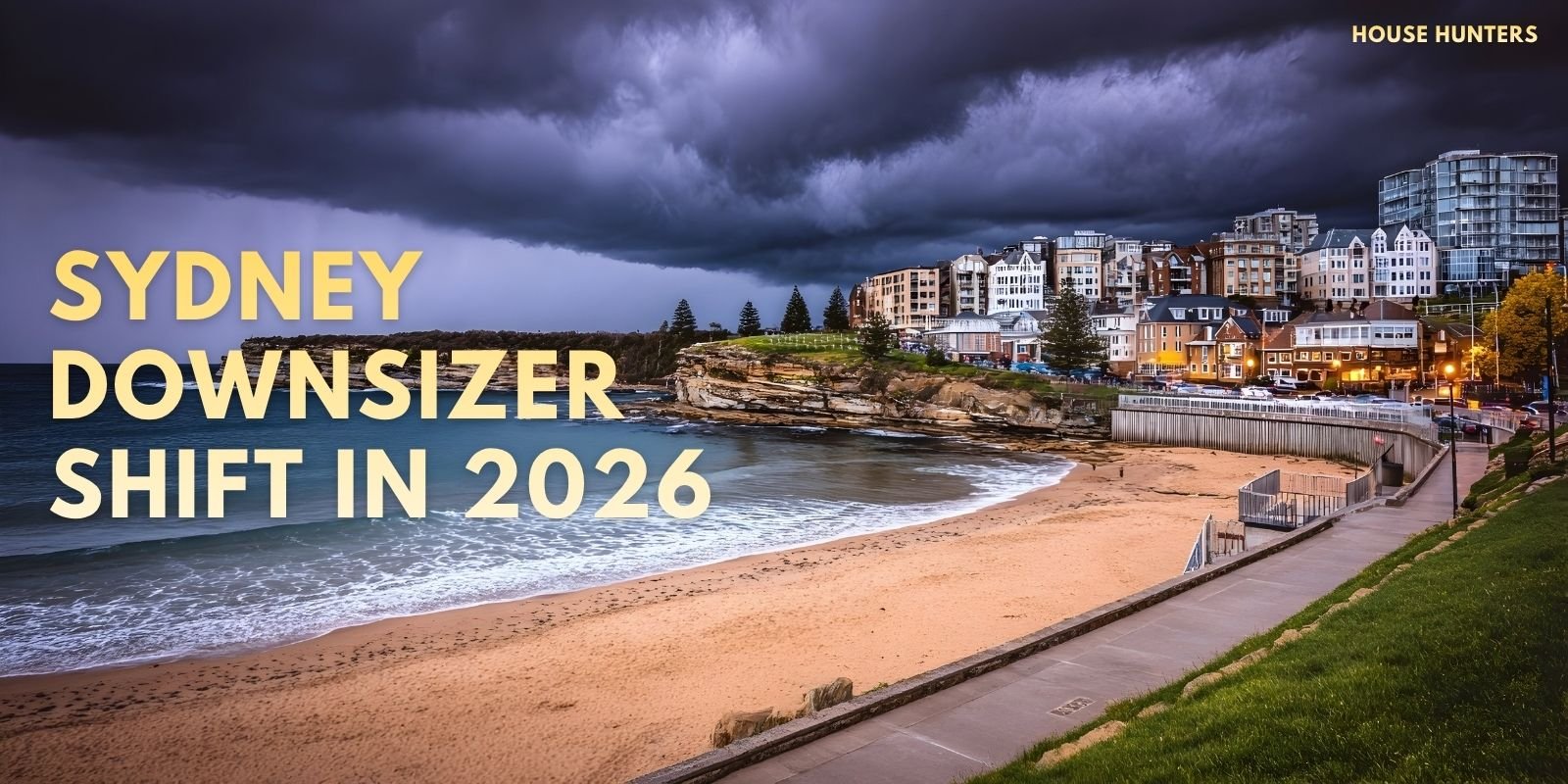
Sydney Downsizer Shift in 2026 are reshaping how the property market behaves, especially in premium and middle-ring suburbs. As empty nesters look to unlock equity and simplify their lifestyles, they are no longer defaulting to retirement-style apartments alone. Instead, many are targeting lifestyle-driven locations with walkability, healthcare access, and community infrastructure. This shift is creating new demand pockets that younger buyers often overlook, particularly in boutique apartment developments and low-maintenance townhouses.
What’s driving this trend is not just age or stage of life—it’s financial strategy. Downsizers are increasingly focused on capital preservation, rental flexibility, and future-proof living. They want properties that allow ageing in place while still offering strong resale appeal. This creates a ripple effect across Sydney’s housing ecosystem, influencing pricing, competition, and development priorities in ways that are only now becoming fully visible in 2026.
Downsizers in 2026 are not just buying smaller—they are buying smarter, prioritizing lifestyle, liquidity, and long-term flexibility over size alone.
Why Downsizers Are Reshaping Demand
Downsizers are entering the market with significant equity, often making them cash-heavy or low-debt buyers. This gives them a strong competitive edge, especially in tightly held suburbs where stock remains limited. Unlike first-home buyers, they are less sensitive to interest rates and more focused on value, convenience, and quality. As highlighted in recent downsizer demographic insights, this group is becoming one of the most influential buyer segments in Sydney.
Another important factor is timing. Many downsizers are selling family homes into a market with rising listings but slower buyer activity. This means they are becoming more price-conscious on both ends of the transaction. They are willing to negotiate on sale price if it allows them to secure a well-positioned downsizer property. This transactional mindset is also reflected in real-world buying strategies seen in downsizing case studies, where timing and positioning play a critical role.

Where Empty Nesters Are Buying
Coastal Lifestyle Suburbs
Suburbs near the coastline continue to attract downsizers due to their lifestyle appeal and long-term value stability. Areas offering cafes, medical facilities, and transport connectivity are particularly attractive. Downsizers are prioritising walkability and social infrastructure, which reduces reliance on cars and enhances daily convenience. According to recent Domain research, price variations across coastal pockets are also creating new entry opportunities for this segment.
This demand is also driving interest in boutique developments rather than large-scale apartment towers. Smaller buildings with better design, privacy, and community feel are outperforming generic high-density stock. Developers are increasingly tailoring projects specifically for downsizers, recognising their purchasing power and preference for quality over quantity.
Inner-Ring Village Locations
Inner-ring suburbs with strong village atmospheres are another major draw. Downsizers prefer areas that offer a balance between urban access and local charm. Proximity to shops, parks, and healthcare services is often prioritised over proximity to CBD workplaces, reflecting a shift in lifestyle priorities.
These areas also tend to hold value better during market slowdowns. Downsizers see them as defensive investments, offering both lifestyle and financial security. Buyer behaviour insights from suburb selection strategies show that these locations remain highly competitive due to limited supply and consistent demand.
Property Types in Demand
| Property Type | Why Downsizers Prefer It | Market Impact |
|---|---|---|
| Low-rise apartments | Lift access, privacy, manageable scale | Strong demand in boutique developments with limited supply |
| Townhouses | Space without maintenance burden | Highly competitive due to limited availability in key suburbs |
| Luxury units | Lifestyle upgrade with premium finishes | Premium segment remains resilient despite broader market shifts |
Downsizers are highly selective about design and build quality. Features such as lift access, storage, natural light, and outdoor space are no longer optional—they are expected. This is pushing developers to rethink product offerings, especially in areas where this demographic dominates demand.
Interestingly, older-style apartments in well-located suburbs are also gaining traction. Downsizers are recognizing value in these properties, particularly where renovation potential exists. This trend is supporting pricing in established buildings, which might otherwise struggle against newer developments. Practical buying guidance from buyers agent insights shows that many downsizers are prioritizing layout and location over brand-new finishes.

What This Means for the Market
The downsizer movement is redistributing demand rather than reducing it. As they sell larger homes and purchase smaller properties, they create opportunities for families while simultaneously tightening supply in key apartment markets. This dual movement is one of the reasons Sydney’s property dynamics remain complex despite increasing listings.
For investors and developers, understanding this shift is critical. Properties that align with downsizer preferences—location, accessibility, and quality—are likely to outperform even in slower conditions. Ignoring this segment means overlooking a buyer group that is financially strong, highly active, and increasingly influential in shaping Sydney’s housing trends.
FAQs – Sydney Downsizer Shift in 2026
Where are most Sydney downsizers moving in 2026?
Coastal suburbs and inner-ring village areas are attracting the most downsizer activity due to lifestyle benefits and accessibility.
Are downsizers still driving property demand?
Equity-rich downsizers continue to play a major role in sustaining demand, particularly in boutique apartments and townhouses.
What property types do downsizers prefer?
Low-maintenance properties such as townhouses and well-designed apartments with strong accessibility features are most preferred.
Do downsizers impact housing supply?
Their movement frees up larger homes while increasing demand in smaller property segments, creating a rebalancing effect.
Is downsizing financially beneficial in 2026?
Unlocking equity while reducing maintenance costs makes downsizing both a financial and lifestyle advantage in current conditions.
How Downsizers Are Quietly Reshaping Sydney’s Market
The influence of downsizers in 2026 is subtle but powerful. They are not driving headlines like first-home buyers or investors, yet their decisions are reshaping demand in some of Sydney’s most tightly held suburbs. By prioritising lifestyle, liquidity, and long-term usability, they are redefining what makes a property desirable in today’s market.
This shift is also changing how developers, agents, and investors approach property selection. The focus is moving toward quality over quantity, design over density, and practicality over speculation. In a market that often reacts to noise, downsizers are quietly setting a new standard—one that is grounded in experience, financial clarity, and long-term thinking.